Diet for joint diseases
Diet for joint diseases
Recommended diet

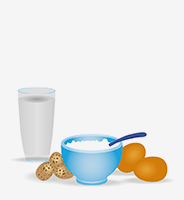

.
Special attention!
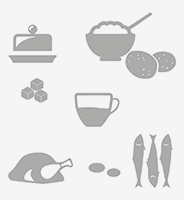 REDUCE CONSUMPTION
- Cereals, rice and potatoes.
- Butter (including ghee) and sour cream.
- Half a teaspoon of oil per day is enough.
- Tea. You can drink no more than two or three cups a day, and it should be weak and diluted with milk.
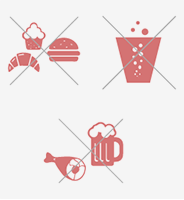 EXCLUDE FROM THE QUESTION
- Cleaned and canned foods;
- Cupcakes, biscuits;
- Foods rich in calcium: nuts (any) and peanuts;
- Alcohol
- Meat
- Sparkling water.
.
General recommendations for maintaining a healthy diet
.

- At night, drink, if not a glass, then at least a cup of room temperature milk.
- After eating, there should be a slight feeling of hunger.
- Drink water not during meals, but an hour before or an hour after. If you are unable to refuse at all
from water between meals, drink no more than half a glass. It is quite possible to quench your thirst
and during the day. - Meals should be taken regularly, at regular intervals, and heavy work should be avoided.
and physical activity immediately after eating. You can't go to bed immediately after dinner, you need to be a little similar. - The main principle of the diet is moderation.
- The preference is for natural and simple products.
- Focus on fruits and vegetables
The amount of food should be twenty percent less than what is needed to feel completely full.
.
Poverweight
FOR YOUNG PEOPLE

Excess weight increases degenerative-dystrophic processes in the spinal column system. In this regard, in young patients suffering from spondylosis and overweight, nutrition should be adjusted accordingly:
- do not overeat;
- limit or eliminate easily digestible sugars and carbohydrates;
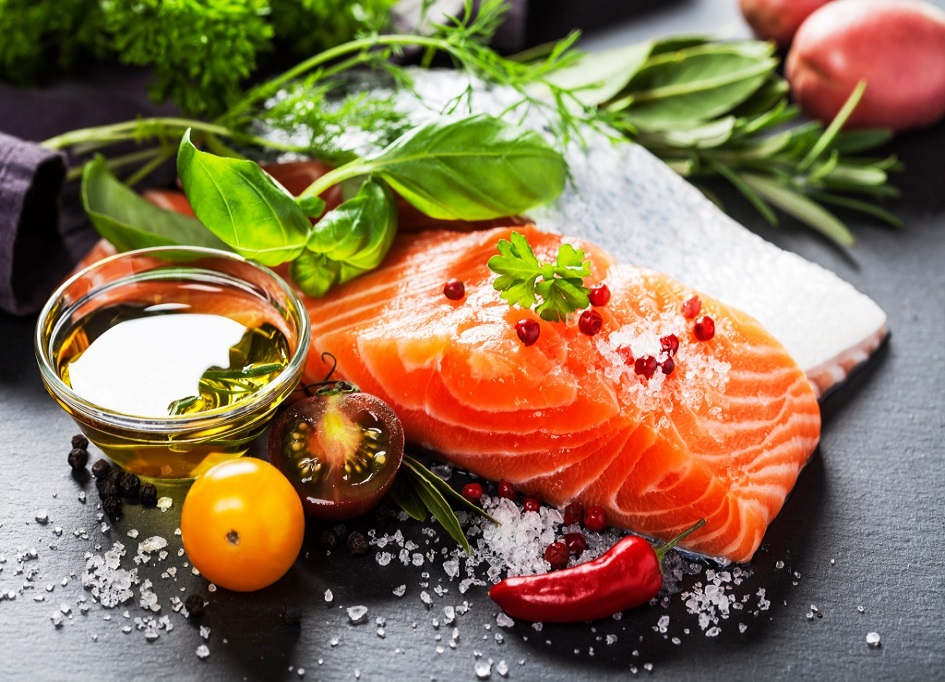
- consume lipotropic substances (olive, sesame, flaxseed oils, low-fat cheese, fish);
- replace fresh bread with breadcrumbs;
- fruits are eaten with the skin;
- eggs, fish and meat are eaten only boiled or stewed;
- do not add fried food to soups;
- drink water only two hours after meals; do fasting days once a week;
- do gymnastics and walk outdoors every day.
FOR OLDER PEOPLE

- food should be varied;
- to facilitate the chewing process, food should be prepared from chopped products
- avoid excessive protein, fat and carbohydrate load,
- limit the consumption of buttery and puff pastry products, strong meat and fish broths, fatty meat, meat by-products and eggs, fatty dairy products, rice, pasta, legumes, smoked meats and pickles, as well as sugar, confectionery and cream products, and chocolate.
- Preferred 5-time meal plan: 1st breakfast – 25%; 2nd breakfast – 15%; lunch – 30%; dinner – 20%; 2nd dinner 10% of the daily energy value of the diet.